Chinese Food For Christmas
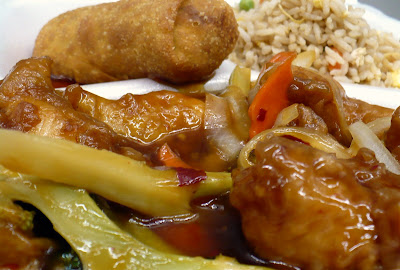
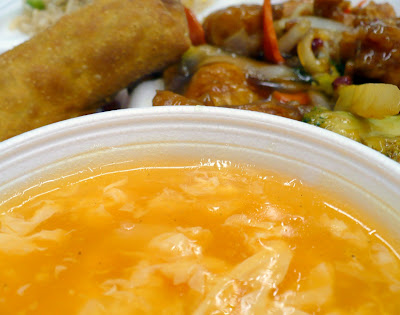
Today is the busiest day for the Chinese restaurants in this country. Of course you may go to some gourmet Chinese restaurant and pretend that you like their overpriced food or (much better choice) you can go to Red Dragon on the 8th street and enjoy some All-American Chinese food which the real Chinese people disowned many years ago. With the prices starting at $5.50 for a deluxe lunch special, you will have plenty of money left to go to the movies.

httpv://www.youtube.com/watch?v=w1uZ_W7atDE
Continue reading →O Come All Ye Gentiles!
The Jewish Holiday of Passover is coming up and many of you are seeing boxes of matzos piled somewhere in a more visible location than usual in your grocery store.
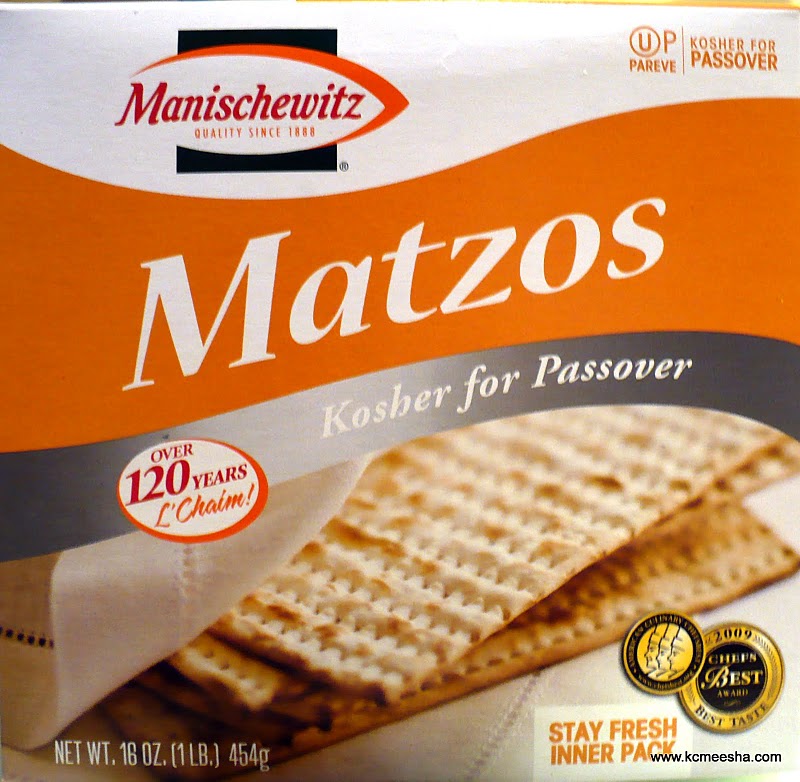
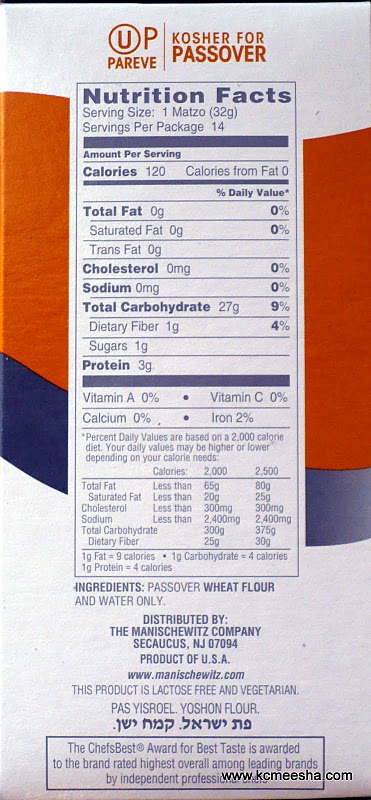
The truth is, matzos are sold year round in most stores and despite having only two ingredients they are as delicious as any plain crackers, made in a clean controlled environment by the guys who wash their hands and don’t masturbate on Saturdays (maybe not at all, but not on Saturdays for sure).
I wrote before how my Dad went to buy matzos at the only remaining synagogue in our city and we ate them for the rest of the year. Now that synagogue looks like this (photos taken from here):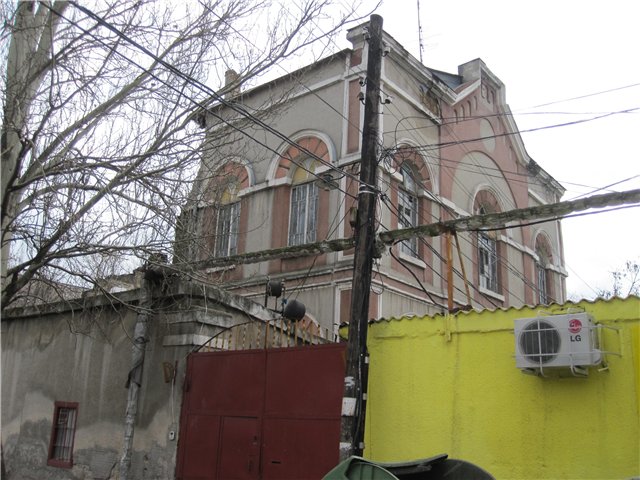
Odessa Synagogue from the Front 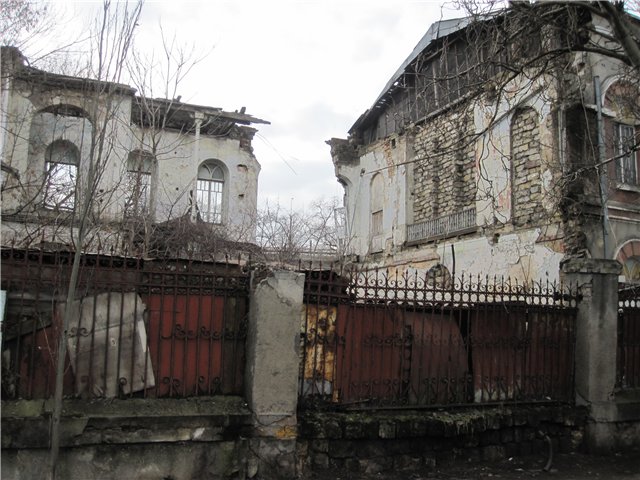
Odessa Synagogue From the Back There is no reason why you, my non-Jewish readers, should be deprived of matzos and tasty things you can make out of them. By the way, the alternate title of this post was “What would Jesus eat?”, because Jesus was Jewish, he celebrated Passover and ate matzos.
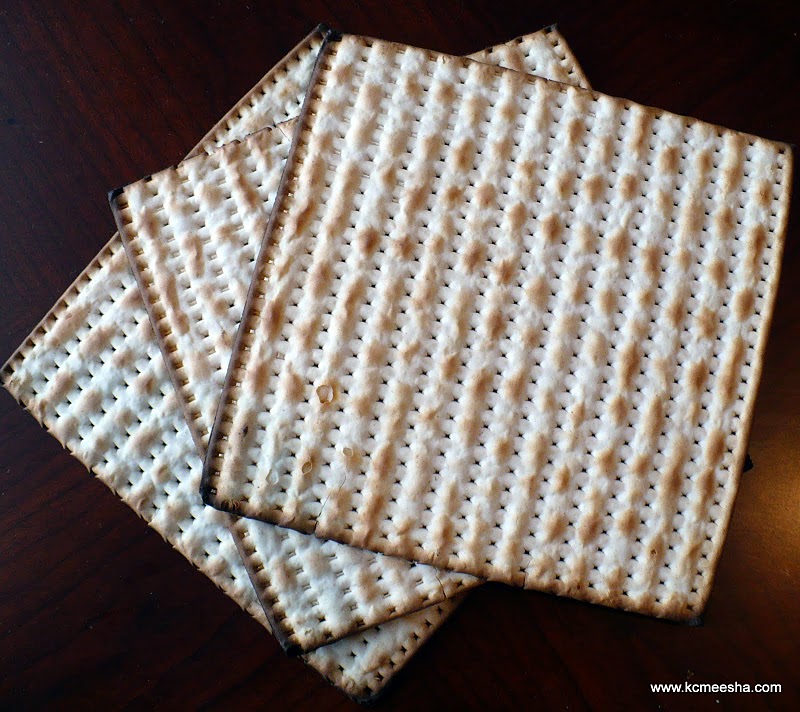
In this post you will learn how to make a matzo omelet, or matzo-brei or, as we call it, matzo-babka. For this recipe you will need 3-4 sheets of matzos, 2 eggs, pinch of salt and a small amount of butter.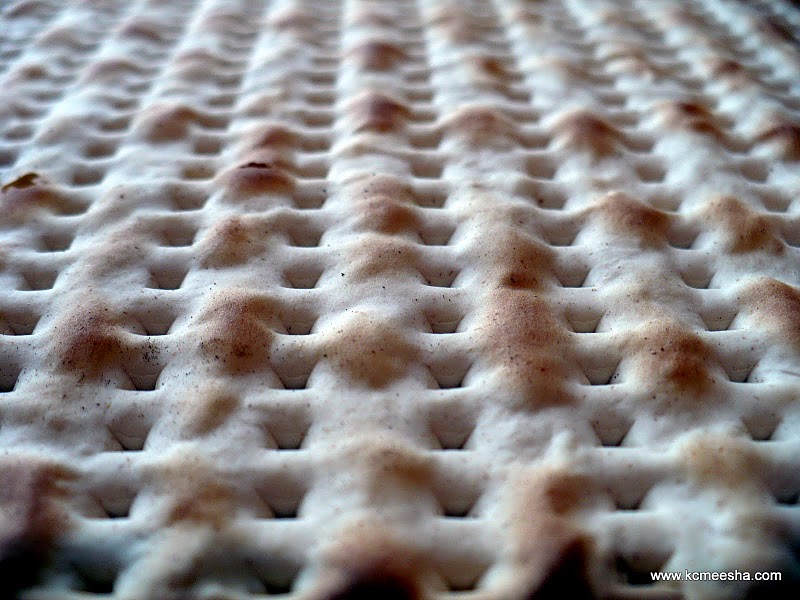
Boil some water, you will need less than a cup. Break matzo in small pieces, it crumbles and breaks easily. Don’t try to pulverize it, just break it up.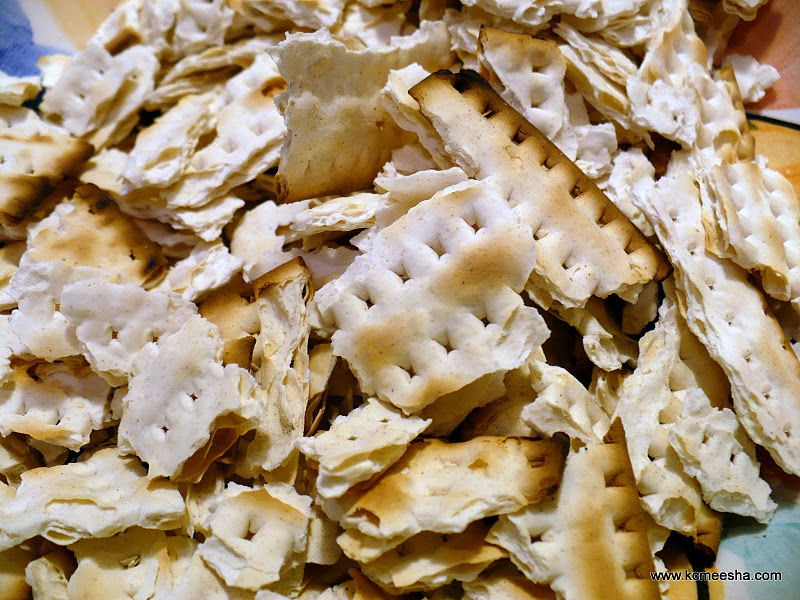
Pour some hot water over it, just enough to soften up the matzo pieces so they are not crunchy. All the water should ideally soak in, so don’t pour too much, there shouldn’t be any standing water on the bottom of the bowl, toss the matzos until all the water is absorbed. Let it sit for a few minutes.
Mix up a couple of eggs with a fork.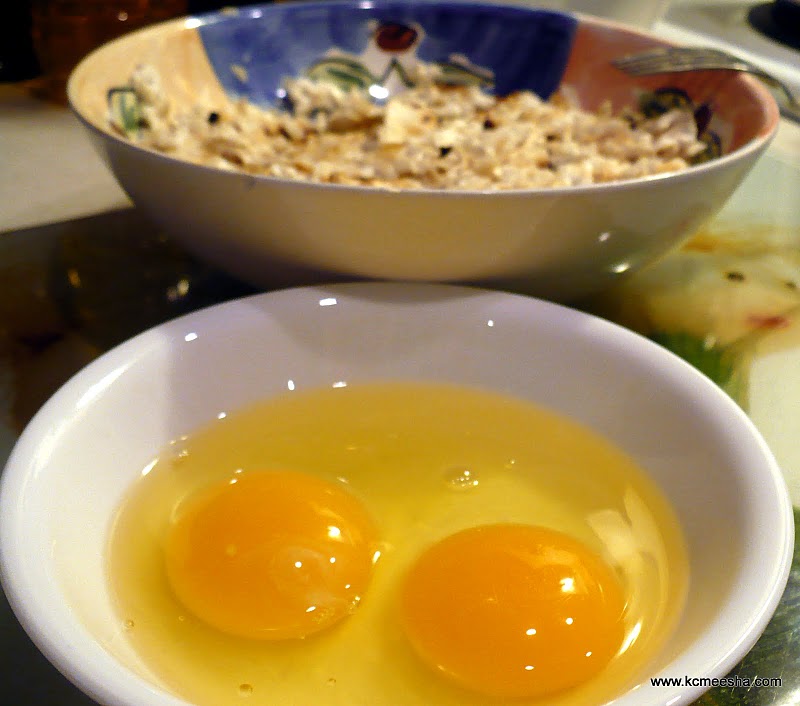
Pour of the matzos and mix, add salt to taste.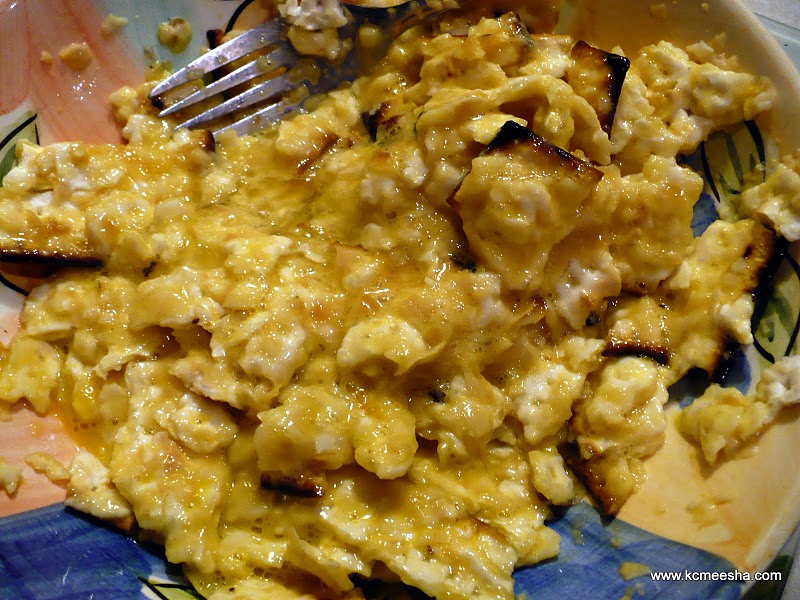
Melt a tablespoon of butter in the skillet. Pour the mixture into the skillet, spread it out evenly and cover.
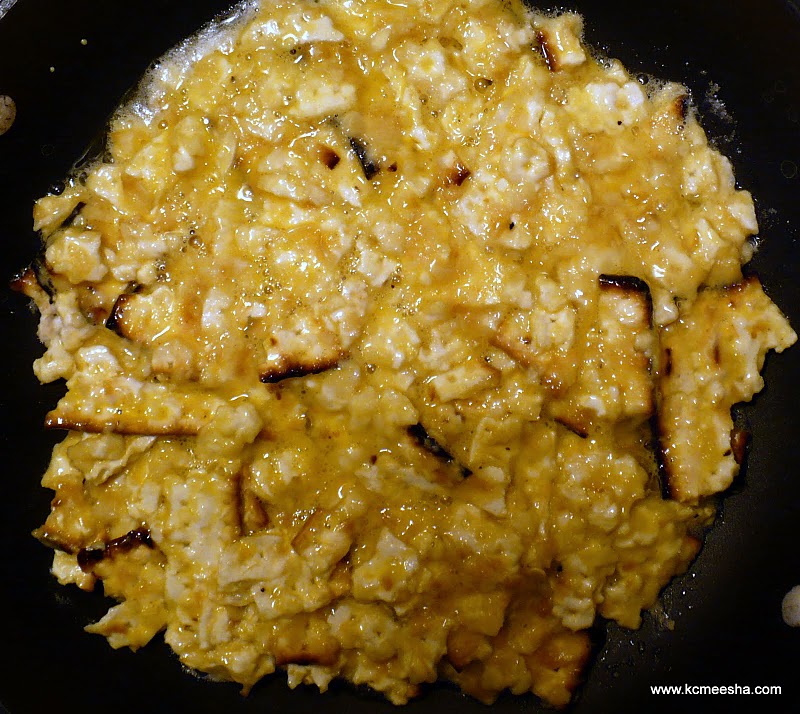
Cook on medium-low for 4-5 minutes. Now if you think you are the next Food Network star you can try to flip the whole thing, I just cut it in four pieces with a spatula and flip each piece individually.
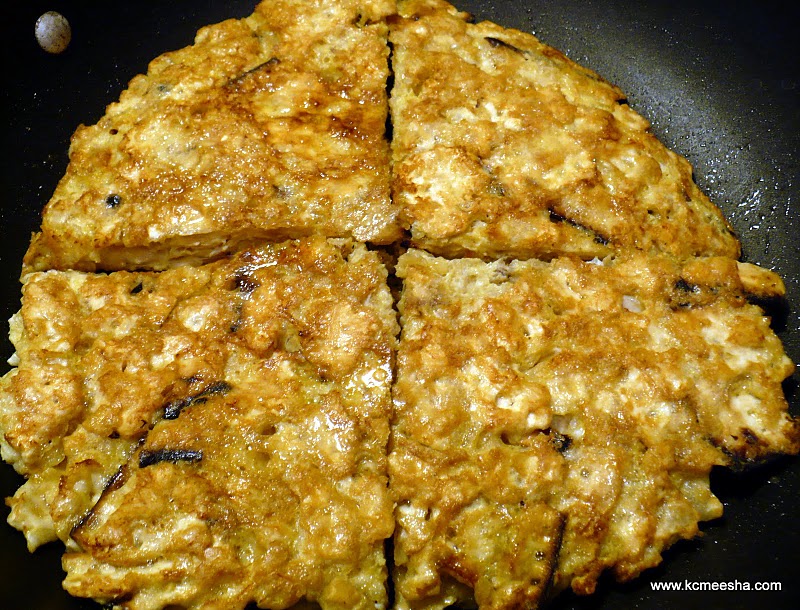
Cook for another 3-4 minutes uncovered, for the first few times (and I know there will be many more) keep an eye on the babka to make sure it doesn’t burn.
You can serve it as savory dish, side dish or breakfast…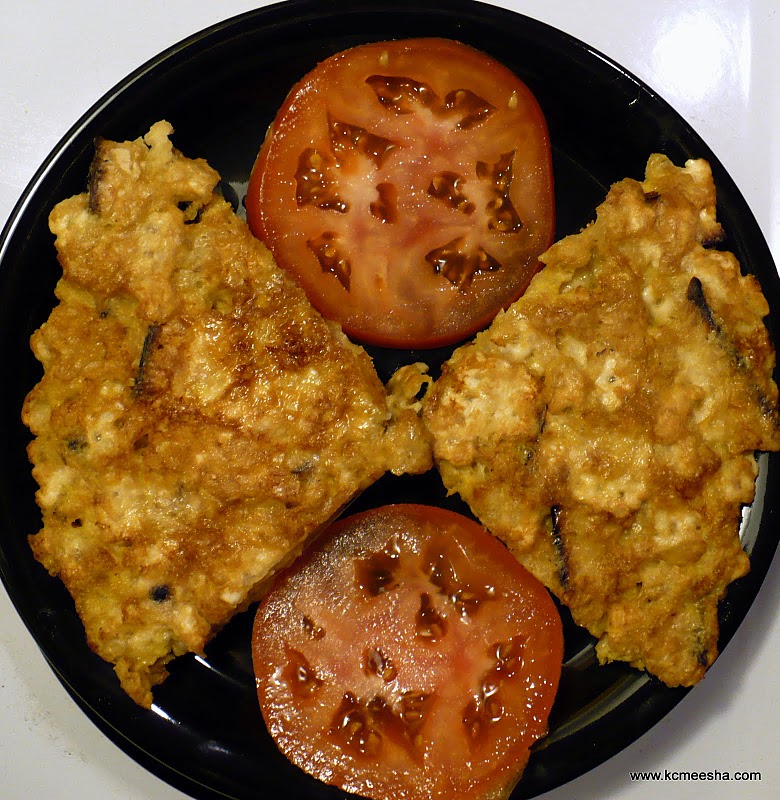
…but it also tastes great with honey, syrup and jelly.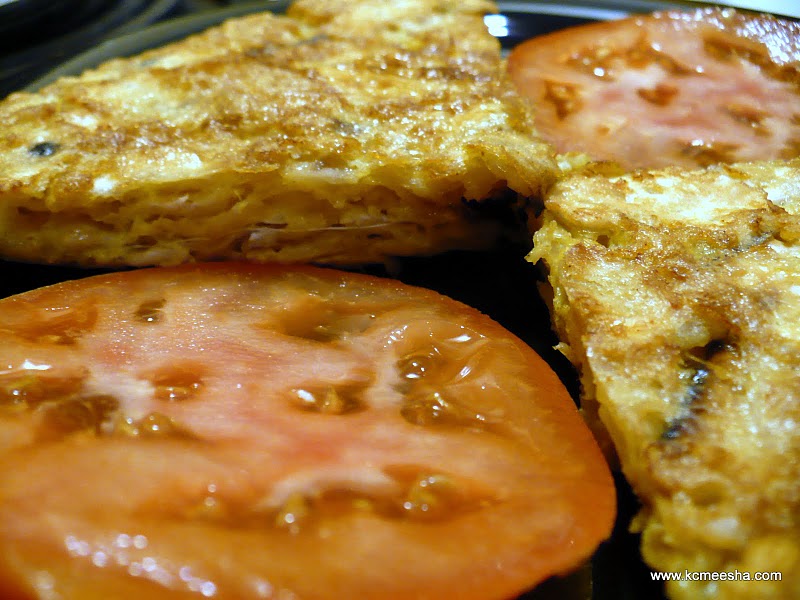
There are multiple other recipes with onions, mushrooms and other additions, but just like the matzos are made only with flour and water, I don’t feel anything else is necessary here. It’s hard to improve on perfection.
Matzos can stay on your counter forever, or close to it. They might get a little stale but I guarantee you will eat the whole box before it ever happens. They are good in soups, or as a snack and in always popular with women matzo-babka.Enjoy!
httpv://www.youtube.com/watch?v=Og1pdFGMUMg
Continue reading →Happy International Women’s Day!
The 8th of March is The International Women’s Day – a celebration of women young and old, beautiful and smart, lovely, witty, (sometimes) funny, unique and irreplaceable. Thank you for letting us bask in all that.
My feelings are best expressed by a Japanese Karaoke performer, whose song I was lucky to capture at the St.Louis Japanese Festival few years ago:
httpv://www.youtube.com/watch?v=mTsuGJM9mwE
Continue reading →World’s Most Expensive Billboard
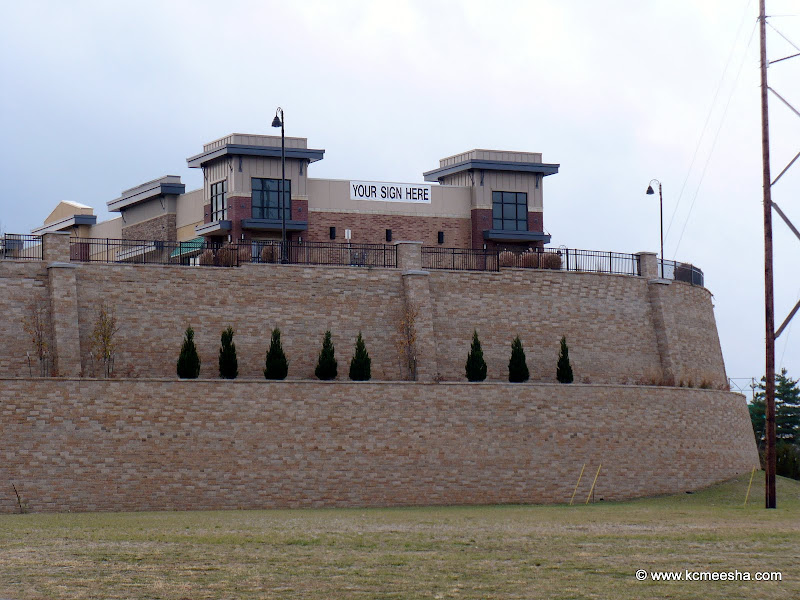
Every day on the way home I pass the world’s most expensive billboard located in Merriam, KS.
Continue reading →
McFlation
Continue reading →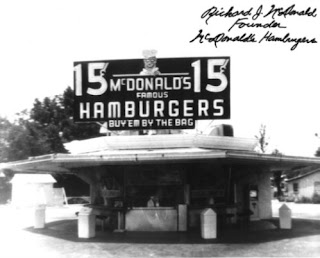 During my trip to St.Louis I made my annual visit to McDonald’s because my daughter requested McSalad. I was disappointed that inflation continues to devastate McValue “dollar” menu. You used to be able to get medium French fries in a cardboard package, and now it’s downgraded to small fries in a little paper bag.
Very old people would be able to recite McDonald’s original prices:
hamburgers–15 cents; cheeseburgers–19 cents; fries–10 cents; soft drinks–10 cents and 15 cents; coffee–5 cents; and shakes–20 cents.
With higher prices and crappy food there shouldn’t be any reason to go to McDonald’s, while we have plenty of local hamburger joints such as Town Topic, Harold’s and Winstead’s.
